



Curly hair is beautiful, characterful and unique, but it also requires a special kind of care. At Proshave, we know that curls are not one-size-fits-all. That's why we've gathered the best tips, techniques and products to help you get the most out of your natural curls. It's not enough to buy good products, it's also important to know how to use them for the best results. Whether you have soft waves, defined spirals or tight coils, curly hair requires attention and love - and that starts with understanding what makes curls so special. So read on for this guide to your curly hair!
What makes curly hair so unique?
Curly hair has a special structure due to the shape of the hair follicle. Where straight hair comes from round follicles, oval or asymmetrical follicles create the beautiful curves and spirals we know as curls. This structure means that curly hair has some special properties:

Dryness: Curls have a harder time getting the scalp's natural oils distributed to the ends, making them more prone to dryness.
Fragility: The many bending points in curls make them more prone to breakage and damage.
Crispness: When hair lacks moisture, it gets frizzy easily - a challenge many curlies know all too well.
That's why it's important to adapt your hair care routine to your hair type. But don't worry if you recognize some of these challenges, because we'll take you through the best way to overcome them!
The different types of curls
Proshave always works on the premise that you can have a lot of great products, but if you don't understand what's behind them, they won't help for long. To find the perfect care, it's important to understand your hair type.
Curls are often divided into four main types with subcategories. Type 1 is straight hair, which generally doesn't have much volume or curl. In the following we will go through types 2-4 and their subcategories.
Type 2: Wavy hair
Wavy hair is the first form of curls and has an S-shaped wave, but not tight spirals. This hair type can range from slightly wavy to very defined waves. Wavy hair is generally easier to manage than the tighter curls, but it still requires care to highlight the natural waves and minimize frizz.
Type 2A: Light waves
Type 2A: Light waves
Type 2A are light waves that lie close to the scalp. This type typically has fine to medium hair that is not too difficult to style.
Wavy hair is low maintenance but likes products that add volume and texture.
Type 2B: More defined waves
Type 2B: More defined waves
Type 2B is more defined waves that can be slightly frizzy. The hair is generally thicker and tends to be more frizzy, especially when damp.
It requires moisturizing and frizz control products to keep waves smooth and defined.
Type 2C: Closer waves
Type 2C: Closer waves
Type 2C is denser waves that begin to approach a curl structure. This hair can be thick and full and needs stronger styling products to maintain wave shape and reduce frizz.
Type 3: Curly hair
Type 3 has distinct spirals and is much more textured than wavy hair. This type of hair tends to be very voluminous and requires extra care to maintain hair health and definition. Curly hair has a natural tendency to become dry and frizzy, so it's important to use moisturizing and nourishing products to keep hair healthy and shiny.
Type 3A: Loose, large curls
Type 3A: Loose, large curls
Type 3A are loose, large curls that give a soft, voluminous look. This type requires light styling products to avoid the curls becoming heavy or flat.
Type 3B: Medium to denser curls
Type 3B: Medium to denser curls
Type 3B is medium to denser curls that tend to be slightly thicker and more prone to frizz. This type requires moisturizing and defining products that can help keep the curls under control and in shape.
Type 3C: Tight, dense curls
Type 3C: Tight, dense curls
Type 3C is tight, dense curls that require a lot of moisture and care to avoid breakage and frizz. The hair is often very full and requires stronger styling products that can keep the curls defined and protect against dryness.
Type 4: Coily / Kinky hair
Coily or kinky hair has very dense, tight curls that can look almost spiral. This type of hair is the most vulnerable to dryness and breakage, and it requires extra attention and care. Coily hair has an incredibly natural texture, but it's also the hair that requires the most attention to avoid breakage and dryness. The use of oils, creams and leave-in conditioners is essential to keep hair healthy.
Type 4A: Small, spiral curls
Type 4A: Small, spiral curls
Type 4A is small, spiraling curls that are denser and have some elasticity. This type of hair often has a lot of volume and requires moisture and protein-rich products to maintain its health and elasticity.
Type 4B: Closer zigzag-shaped curls
Type 4B: Closer zigzag-shaped curls
Type 4B is denser and more zigzag-shaped curls that tend to be more fragile. This type of hair can be very dry and requires constant moisture, strengthening and care to prevent damage and maintain a healthy structure.
Type 4C: Most dense and tight type of curls
Type 4C: Most dense and tight type of curls
Type 4C is the most dense and tight type of curl that almost looks like a pattern of small, closely spaced spirals. This type is very fragile and requires intensive moisture care and protection against breakage. It is important to keep the hair moisturized at all times and avoid chemical treatments that can damage the hair further.
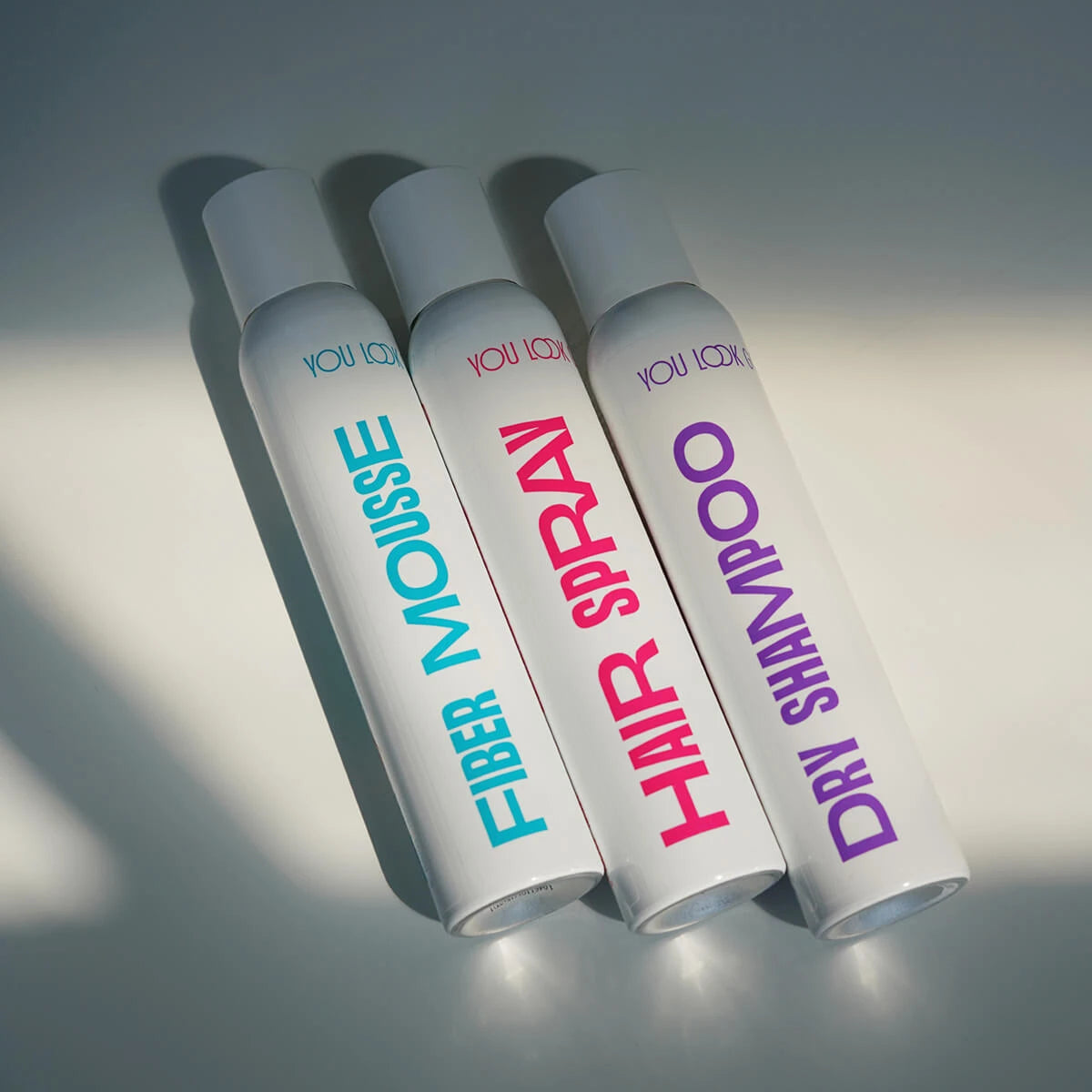
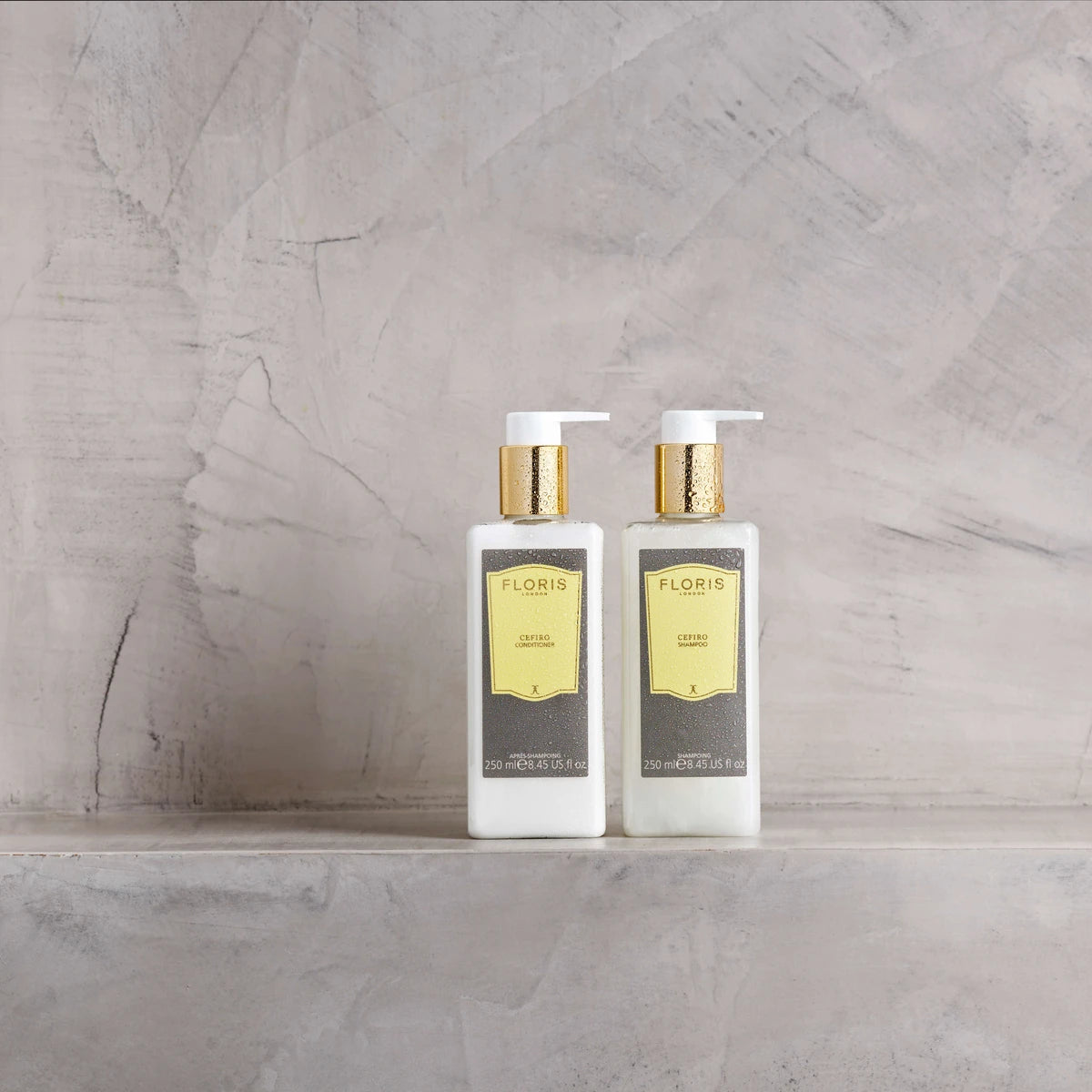
A complete care routine for curls
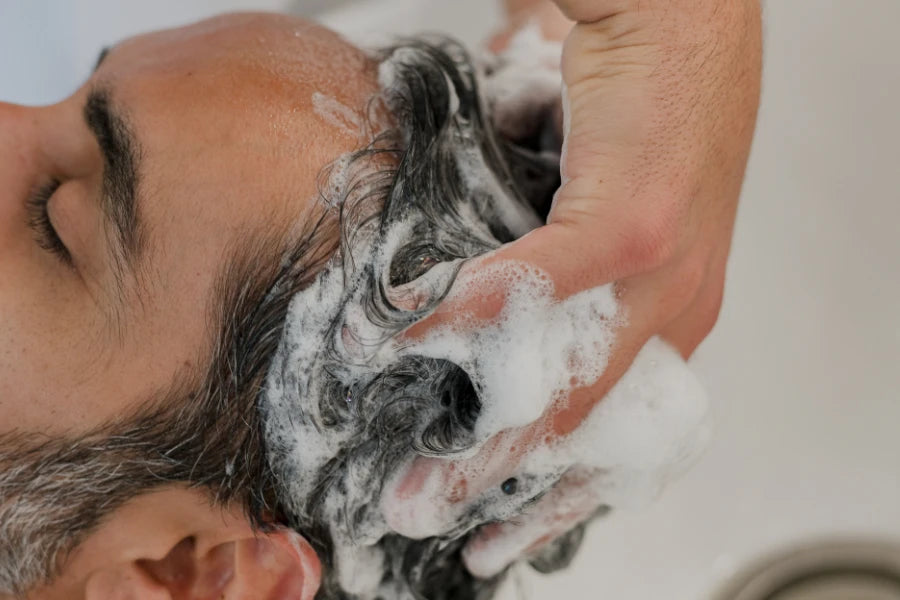
Curls require a gentle approach to washing. Choose a sulfate-free shampoo that doesn't strip the hair of its natural oils. Many people with curls also prefer "co-washing," where hair is washed with a conditioner instead of shampoo to avoid drying out.
Moisture is key to healthy and well-groomed curly hair. Use a rich conditioner with every wash and supplement with a deep conditioning hair mask once a week.
Tip: Look for products with natural oils like argan oil or shea butter that help seal moisture into the hair.
After washing, it's important to use leave-in conditioners and styling products that emphasize the natural structure of the curls. Curl creams and gels can help reduce frizz and create definition.
Proshave's recommendation: Use products that are lightweight but effective - and try techniques like "plopping," where wet hair is wrapped in a microfiber towel to maintain definition.
Let your hair air dry whenever possible. If you use a blow dryer, a diffuser is essential to minimize frizz and maintain curl shape.
At night, friction against the pillow can create frizz and ruin the shape of the curls. Sleep on a silk or satin pillowcase and put your hair up in a loose ponytail ("pineapple") to maintain shape.
Popular methods for curl care
Although the name may sound like a method for women, it's great for anyone with curls. This popular method avoids harsh cleansers and heat tools and instead focuses on moisture, definition and gentle styling. It's perfect for all types of curls and helps bring out their natural beauty.
The main principles of the Curly Girl method:
- Avoid sulfates: Sulfates are strong cleansing ingredients that can strip hair of natural oils and dry it out. The Curly Girl Method recommends using sulfate-free shampoos or cleansers that don't strip hair of its natural moisture.
- Avoid silicones: Silicones can build up in the hair, which can lead to heavy, greasy hair and prevent the natural curls from breathing. Instead, choose products without silicones or with water-soluble variants.
- Using leave-in conditioner: After washing the hair, it is recommended to use leave-in conditioner to add moisture and prevent the hair from becoming dry and frizzy.
- Diffusion or air drying: Avoid using hot styling tools such as flat irons or Hair Dryers as these can damage the curls. Instead, it is recommended to air dry the hair or use a diffuser to maintain the natural shape and volume of the curls.
- Nurturing ingredients: It is recommended to use products with moisturizing and nourishing ingredients such as shea butter, argan oil and glycerin to keep hair healthy and soft.
These techniques help seal moisture into the hair. The letters stand for the following:
- L: Leave-in conditioner
- O: Oil (natural oil)
- C: Cream (curl cream)
Experiment with the order to find what works best for you.
The main principles of the LOC method:
- Liquid: The first stage of the LOC method is to use a liquid, which can be water or a light, water-based leave-in conditioner. This helps to moisturize the hair and prepare it for the subsequent layers of moisture and care.
- Oil: The next step is to add an oil, which helps seal the moisture in the hair. Oil prevents water from evaporating and gives the hair shine and protection. Popular oils include argan oil, coconut oil and jojoba oil.
- Cream: The final layer is a creamy styling or moisturizing product that provides extra care and definition to the curls. This phase helps to keep the hair soft, smooth and curl-free while providing hold and control over the curl shape.
Benefits of the LOC method:
- Seals moisture into the hair, making it softer and more manageable.
- Helps prevent frizz and drying during the day.
- Promotes healthy, defined and well-groomed hair.
Remember!
Trim your tips regularly to avoid damage.
Avoid brushing dry hair - use a wide-toothed comb on wet hair instead.
Use a moisturizing spray throughout the day to revive tired curls.
At Proshave, we know that every curl is unique. That's why we offer a wide range of products and advice for those who want to embrace and care for their curls. Whether you have loose waves or tight coils, we have everything you need to keep your hair healthy, strong and well cared for.


Author: Pernille Lanng


